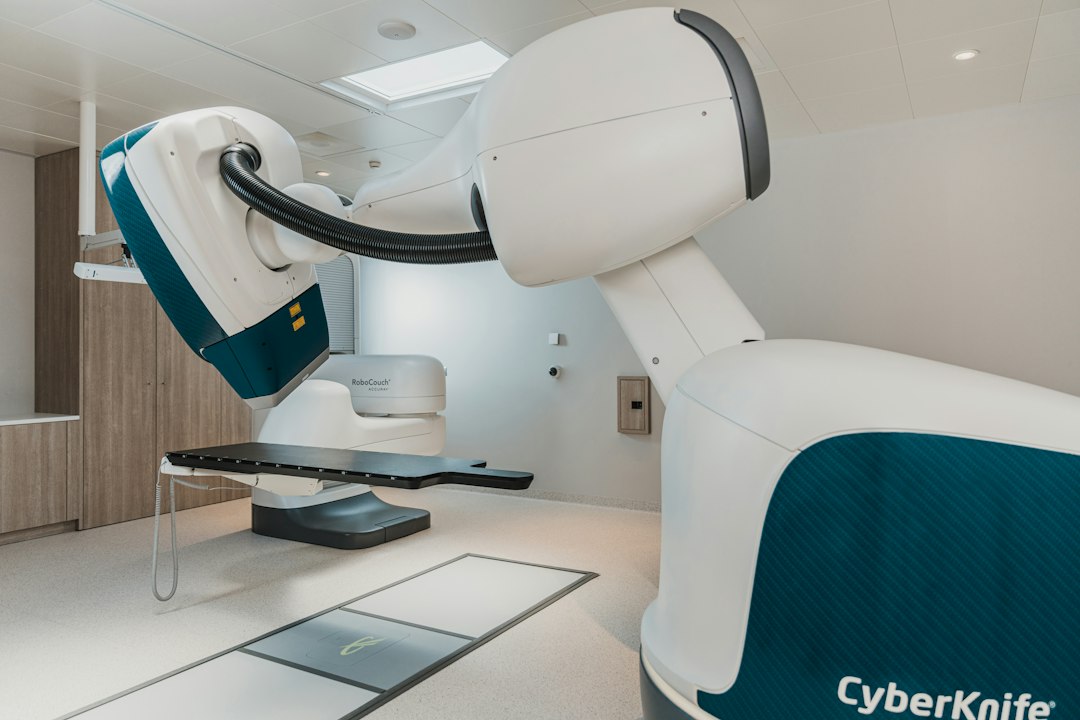
Are endovascular robotics the future of stroke care or a superfluous business venture?
NeuroNews International
"Are endovascular robotics the future of stroke care or a superfluous business venture?" This question echoes in the bustling landscape of modern medicine, where technology and innovation constantly intertwine.
Stroke care, a critical realm, has witnessed a surge in interest towards endovascular robotics, sparking debates. Some advocate for their potential to revolutionize treatment, while others question their necessity.
Robotics: A Game Changer or a Moist Remnant of Progress?
Endovascular robotics, with their intricate designs, offer precision and efficiency in navigating the labyrinthine vascular system. They enable complex procedures, once daunting, to be performed with enhanced dexterity and control. This, in turn, fosters improved outcomes for stroke patients.
However, critics argue that the current cost and complexity of these systems may outweigh their benefits, especially in regions with limited healthcare resources. The question arises: are these robots a symphony of progress or a costly enigma?
Navigating the Labyrinth: Pros and Cons
-
Pros:
- Enhanced precision and control during procedures.
- Potential for reduced recovery times and improved patient outcomes.
- Ability to access hard-to-reach areas, revolutionizing treatment options.
-
Cons:
- High implementation and maintenance costs.
- Complex training requirements for medical staff.
- Potential for technical glitches, adding uncertainty to procedures.
In summary, endovascular robotics present a fascinating dilemma. They hold the promise of transforming stroke care, but their widespread adoption requires careful consideration. As we delve into the future, navigating this enigma will be crucial.